

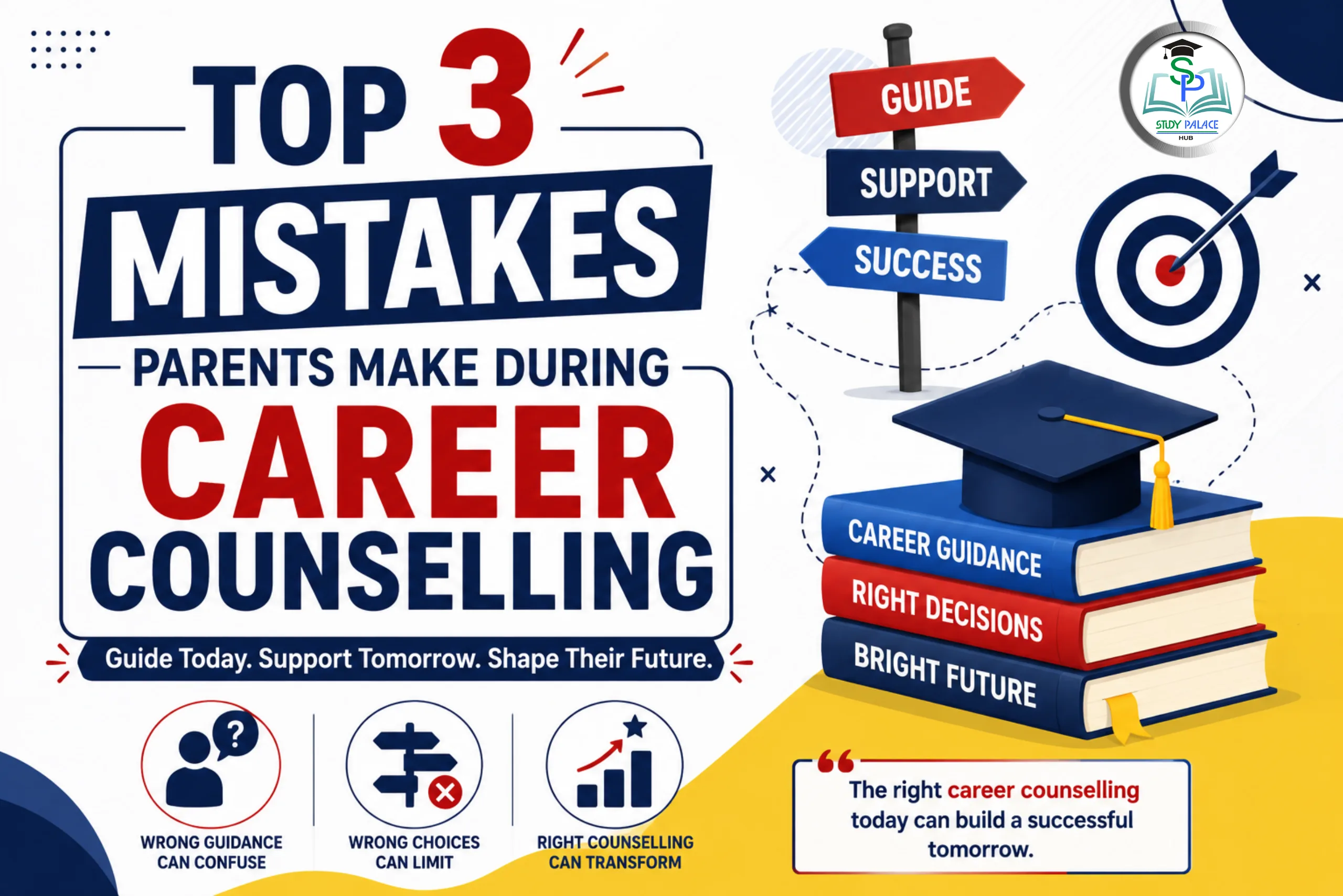
Top 3 Mistakes Parents Make During Career Counseling for MBBS Abroad
Choosing a medical career is one of the most important decisions in a student’s life. For thousands of Indian students who dream of becoming doctors, studying MBBS abroad has become a popular and practical option. However, while students prepare for entrance exams and admissions, parents often play the biggest role in making career decisions.
Parents naturally want the best for their children. They invest time, money, emotions, and hopes into their child’s future. But sometimes, even with the best intentions, certain mistakes during career counseling for MBBS abroad can create confusion, stress, and even lead to poor academic decisions.
The reality is that choosing an international medical university is not just about selecting a country or college. It involves understanding NMC guidelines, university recognition, curriculum structure, student support services, living conditions, career opportunities, and long-term professional goals.This is where effective career counselling for students becomes extremely important. Many families today also look for free career counselling sessions to understand the best options available for MBBS abroad admissions.
Why Career Counseling for MBBS Abroad Matters

Before discussing the mistakes, it is important to understand why career counseling for MBBS abroad is essential.
Many students and parents begin their admission journey with limited information. They often rely on social media posts, advice from relatives, or incomplete online information. While these sources may provide some guidance, they cannot replace professional counseling based on a student’s academic profile, budget, career aspirations, and personal preferences.
Good career counseling helps students:
1. Understand suitable medical universities
2. Compare countries and education systems
3. Learn about NMC regulations
4. Estimate total educational expenses
5. Evaluate future career opportunities
6. Avoid admission-related risks
When parents and students work together with proper guidance, the chances of making the right decision increase significantly.
Today, many students and parents prefer online study abroad counselling because it allows them to connect with experienced counselors from anywhere. Through proper guidance, students can compare universities, understand admission requirements, and make informed career decisions.
Common Challenges Faced by MBBS Abroad Aspirants
| Challenge | Impact on Students | Recommended Solution |
| Lack of career guidance | Confusion during admission | Professional career counseling |
| Choosing universities based only on fees | Quality and recognition concerns | Compare academics and accreditation |
| Following advice without research | Wrong admission decisions | Verify information from trusted sources |
| Limited understanding of NMC guidelines | Future licensing issues | Check latest NMC regulations |
| Unrealistic expectations | Stress and disappointment | Set practical academic goals |
Mistake #1: Prioritizing Prestige Over the Student's Career Goals
One of the most common mistakes parents make during career counseling for MBBS abroad is focusing only on a university’s popularity or country reputation.
Many parents believe that selecting the most famous university automatically guarantees success. While reputation is important, it should not be the only deciding factor.
Every student has different strengths, learning styles, financial situations, and career objectives.
For example:
1. A university may be well-known but financially expensive.
2. Another university may offer excellent clinical exposure at a more affordable cost.
3. Some students may adapt better to certain countries due to language, climate, or cultural environment.
When parents prioritize prestige alone, students may end up studying in an environment that does not suit them.
Solution
Parents should evaluate:
1. NMC recognition
2. Clinical training opportunities
3. Faculty quality
4. Student support services
5. Safety and accommodation facilities
6. Overall cost of education
7. Student satisfaction and outcomes
The goal should be finding the right fit rather than simply choosing the most famous option.
During career counselling for students, it is important to focus on the student’s interests, strengths, and long-term goals rather than simply following popular trends or choosing universities based on reputation alone.
Mistake #2: Making Decisions Based Only on Fees
Affordability is an important factor in medical education. However, many parents make the mistake of choosing a university solely because it offers the lowest tuition fees.
This approach can create long-term challenges.
While cost-saving is important, students should also consider:
1. Quality of education
2. Infrastructure
3. Hospital affiliations
4. Faculty expertise
5. Practical training opportunities
6. International recognition
A university with extremely low fees may not always provide the academic environment necessary for medical training.
Similarly, the most expensive university is not always the best option.
Why This Happens
Many families face financial pressure and naturally search for affordable options. However, focusing only on tuition fees often leads to overlooking important educational factors.
Solution
Instead of asking:
“Which university is cheapest?”
Ask:“Which university provides the best value for money?”
During career counseling for MBBS abroad, families should calculate:
1. Tuition fees
2. Hostel charges
3. Living expenses
4. Medical insurance
5. Travel costs
6. Examination fees
A complete financial analysis provides a more realistic picture of the overall investment.
Mistake #3: Ignoring Professional Career Counseling
Perhaps the biggest mistake parents make is relying entirely on unofficial advice instead of seeking professional guidance.
Many families gather information from:
1. Social media groups
2. Friends and relatives
3. WhatsApp forwards
4. Random online sources
While these platforms can offer useful insights, they cannot replace personalized career counseling.
Every student’s situation is unique.
Factors such as:
1. Academic performance
2. NEET qualification status
3. Budget
4. Career goals
5. Country preferences
6. Future licensing plans
must be carefully evaluated before making a decision.
Professional counselors understand admission processes, university requirements, NMC guidelines, and emerging trends in medical education.
Benefits of Professional Career Counseling
1. Personalized guidance
2. University shortlisting
3. Admission assistance
4. Documentation support
5. Visa guidance
6. Career planning
7. Risk reduction
Most importantly, professional counseling helps students and parents make confident decisions based on facts rather than assumptions.
How Parents Can Support Their Child During MBBS Abroad Planning
Parents are a student’s strongest support system.
Instead of controlling every decision, parents can become partners in the decision-making process.
Here are some practical ways to help:
1. Listen Before Advising
Understand your child’s aspirations and concerns.
2. Encourage Independent Research
Allow students to explore universities, countries, and career opportunities.
3. Focus on Long-Term Success
Think beyond admission and consider future medical practice opportunities.
4. Verify Information
Always cross-check information from trusted educational sources.
5. Keep Communication Open
Career decisions become easier when students feel heard and supported.
(FAQs)
Career counseling for MBBS abroad helps students choose the right country, university, and admission pathway based on their academic profile and career goals.
It helps students avoid wrong university choices, understand NMC guidelines, and make informed decisions.
Yes, parents play a major role, but decisions should be made collaboratively with the student’s interests and goals in mind.
They should verify recognition, curriculum quality, clinical training, infrastructure, and overall costs.
Not always. Educational quality and career opportunities should be considered along with affordability.
Professional counselors provide personalized guidance, university selection assistance, and admission support.
Russia, Georgia, Uzbekistan, Kazakhstan, Bangladesh, and Kyrgyzstan are popular choices.
NMC guidelines determine eligibility requirements for Indian students planning to practice medicine in India.
Yes, students can pursue postgraduate education in India or internationally based on eligibility requirements.
Parents can provide emotional support, encourage research, verify information, and participate in informed decision-making.