
Quick Link

Tver State Medical University
Tver State Medical University
Tver State Medical University (TSMU), in the culturally rich city of Tver, Russia, is a premier destination for students seeking to pursue MBBS abroad. Renowned for its academic rigor and affordability, TSMU attracts thousands of international students, particularly from India, who seek MBBS programs in Russia. With global recognition from bodies like the World Health Organization (WHO) and the National Medical Commission (NMC), TSMU offers a world-class medical education that blends tradition with innovation, making it a top choice for aspiring doctors.
Founded in 1936 as the Leningrad State Dental Institute, TSMU started its journey in St. Petersburg, Russia, with a focus on dental education. In 1954, it moved to Kalinin (now Tver), located about 180 km from Moscow, and expanded into a comprehensive medical institution. Over the decades, it earned university status and expanded its offerings to include general medicine, dentistry, pharmacy, and nursing. TSMU has a rich history of nearly nine decades, demonstrating its commitment to advancing medical science and training skilled healthcare professionals, which has solidified its reputation as a premier destination for MBBS in Russia.
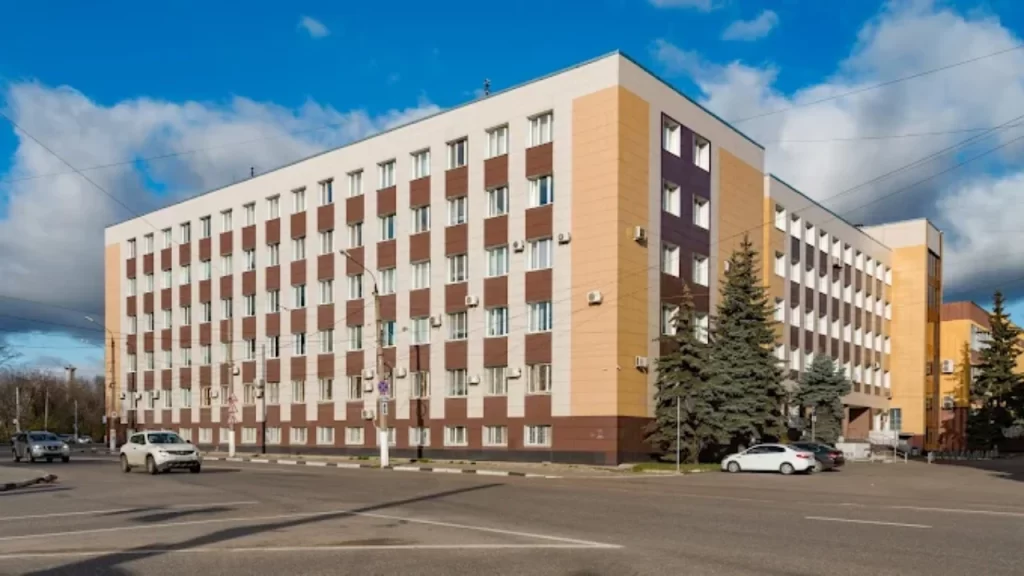
Highlights of the University
Tver State Medical University welcomes everyone interested in pursuing a career in medicine to join our community of students.
Founded: 1936
Location: Tver, Russia (3 hours from Moscow)
Students: 5,000+ (1,500+ international from 47 countries)
Key Recognition:
• WHO, World Directory of Medical Schools
• National Medical Commission (NMC) India
• ECFMG (USA), GMC (UK)
Unique Advantages for Indian Students:
• 80+ years of uninterrupted medical education
• Dedicated FMGE/NEXT coaching for Indian students
• Indian food is available at campus cafeterias.
• Four comfortable dormitories with 24/7 security.
Academic Structure of University
For over 80 years, Tver State Medical University has been a leading institution for training medical professionals, not only for the Tver region but also for the entire country and abroad. This long-standing reputation reflects the university’s esteemed status in the higher education landscape, attracting applicants from various parts of the world.
The university comprises six faculties: Medical, Dental, Pediatric, Pharmaceutical, Clinical Psychology, and Higher Nursing Education. We offer extensive educational opportunities through 37 residency programs and 26 postgraduate programs. Additionally, we provide around 100 programs for advanced training and professional retraining for practicing physicians as part of our commitment to ongoing professional education.
Tver State Medical University operates its own clinics, including a multidisciplinary clinic and a dental clinic. Our infrastructure includes research departments, an information technology department, a multidisciplinary accreditation and simulation center equipped with modern phantoms, simulators, and trainers, as well as a service for targeted training and employment assistance for graduates. We also have an editorial and publishing center, the academic journal “Upper Volga Medical Journal,” a modern library, a center for culture and arts, a sports hall, a shooting range, a cafeteria and buffets, and four student dormitories, along with a sports and health camp.
A unique part of our university is the Gymnasium, which offers educational programs for basic general and secondary education. The Gymnasium focuses on a natural sciences profile, emphasizing areas related to medicine and biotechnology.
The Center for Pre-University Training and Career Guidance provides additional programs to prepare students for admission to medical university. Currently, over 5,000 individuals are enrolled in various educational programs at Tver State Medical University, Russia, including approximately 1,500 international students from 47 countries.
Eligibility Criteria for Tver State Medical University
Ensure you meet the eligibility requirements, which include:
1. Academic Qualification: You must have completed Class 12 with a minimum of:
• 50% marks in physics, chemistry, and biology.
• Passing marks in English.
2. Age Requirement: Be at least 17 years old by December 31st of the admission year.
3. Entrance Exam: You must qualify for the National Eligibility cum Entrance Test (NEET) with the following minimum percentile scores:
• General/EWS category: 50th percentile
• Reserved categories: 40th percentile
Duration of MBBS program at Tver State Medical University in Russia.
MBBS in Russia at TSMU lasts for a total of six years. This duration includes:
• Five years of theoretical and classroom learning.
• One year of internship
Admission process for TSMU
The admission process at TSMU is simple and transparent. Follow these steps:
Check Eligibility: You must have a minimum of 50% in physics, chemistry, and biology (40% for reserved categories in India) and a NEET qualification.
Application Submission – Please fill out the online form and submit the required documents.
Receive an Invitation Letter – Once approved, an invitation letter is issued.
Apply for a Student Visa – Use the invitation letter for a Russian student visa.
Travel and Enrollment—Complete the admission formalities upon arrival.
Documents Required For Tver State Medical University
Below you will find a list of important documents that students submit to the International Admission Office.
- 1) 10th & 12th-grade mark sheets
- 2) Valid passport
- 3) Passport-size photos
- 4) Medical fitness certificate
- 5) NEET qualification proof (if applicable)
Tver State Medical University (TSMU) was established in 1936 and has since become one of the leading medical institutions in Russia, known for its excellence in medical education, research, and clinical training.
Why Study MBBS in Tver State Medical University?
TSMU is a preferred choice for international students pursuing an MBBS degree. Here’s why:
Affordable Tuition Fees – The university offers cost-effective education compared to Western countries.
Globally Recognized Degree—Recognized by WHO, NMC (India), ECFMG (USA), and FAIMER.
Highly Qualified Faculty—Professors and doctors with extensive experience in medical science.
Modern Infrastructure—Well-equipped labs, digital classrooms, and a vast library.
Diverse Student Community—Students from over 50 countries study at TSMU.
Internship and Practical Training—Hands-on training in leading hospitals.
Scholarship Opportunities—Financial aid available for deserving students
Tver State Medical University Fees: Affordable Excellence
For students seeking high-quality yet budget-friendly MBBS abroad, Tver State Medical University in Russia stands out as a top choice. Below is a detailed breakdown of the fee structure, including tuition, accommodation, and other expenses—making it a cost-effective alternative compared to Western medical schools.
| Feature | 1st Year Fee | 2nd Year Fee | 3rd Year Fee | 4th Year Fee | 5th Year Fee | 6th Year Fee |
|---|---|---|---|---|---|---|
| Tuition Fee | 4,30,000 RUB | 4,30,000 RUB | 4,30,000 RUB | 4,30,000 RUB | 4,30,000 RUB | 4,30,000 RUB |
| Hostel | 60K - 80K RUB | 60K - 80K RUB | 60K - 80K RUB | 60K - 80K RUB | 60K - 80K RUB | 60K - 80K RUB |
| Visa Extension +Health Insurance +Medical Checkup | 20,000 RUB | 20,000 RUB | 20,000 RUB | 20,000 RUB | 20,000 RUB | 20,000 RUB |
| Administrative Charge | 1400 USD | N/A | N/A | N/A | N/A | N/A |
| TOTAL | 5,10,000 RUB + 1400 USD | 5,10,000 RUB | 5,10,000 RUB | 5,10,000 RUB | 5,10,000 RUB | 5,10,000 RUB |
| GRAND TOTAL | 30,60,000 RUB + 1400 USD |
Life in Tver: More Than Just Studies
The Campus Experience:
• Cultural Center hosts Diwali and Holi celebrations.
• Sports Complex with swimming pool and shooting range
• Indian Student Association with 150+ members
Exploring Tver City:
• Historic 12th-century architecture
• 90-minute train to Moscow for weekend trips
• Surprisingly vibrant Indian community with 3 grocery stores
Career Pathways After MBBS from TSMU
For India:
• Clear FMGE/NEXT → Work in Apollo/AIIMS & Others.
• PG Options: NEET-PG or direct admission in Russian residencies
Global Opportunities:
• USA: USMLE → Average salary $200,000/year
• UK: PLAB → NHS jobs with work visas
• Russia: Immediate internship opportunities
Tver State Medical University is located in Tver, Russia, a historic city situated between Moscow and Saint Petersburg. The city offers a safe and student-friendly environment for international students.
Yes, Tver State Medical University is recognized by the World Health Organization (WHO) and listed in international medical directories. Indian students must also follow NMC guidelines to be eligible for practice in India.
Yes, NEET qualification is mandatory for Indian students applying to Tver State Medical University, as per NMC regulations for studying MBBS abroad.
The MBBS program duration is 6 years, which includes 5 years of academic education and 1 year of compulsory clinical internship.
Yes, the MBBS course is taught in English for international students. Russian language training is also provided to help students communicate during clinical practice.
Yes, Tver State Medical University offers separate hostel facilities for international students with basic amenities, security, and a comfortable living environment.
Yes, Russia is considered safe for international students, and Tver city has a strong student community with university support services.
The medium of instruction remains English, but students are encouraged to learn Russian for effective interaction with patients during clinical rotations.